Understanding the Impact of Tourism on Local Events
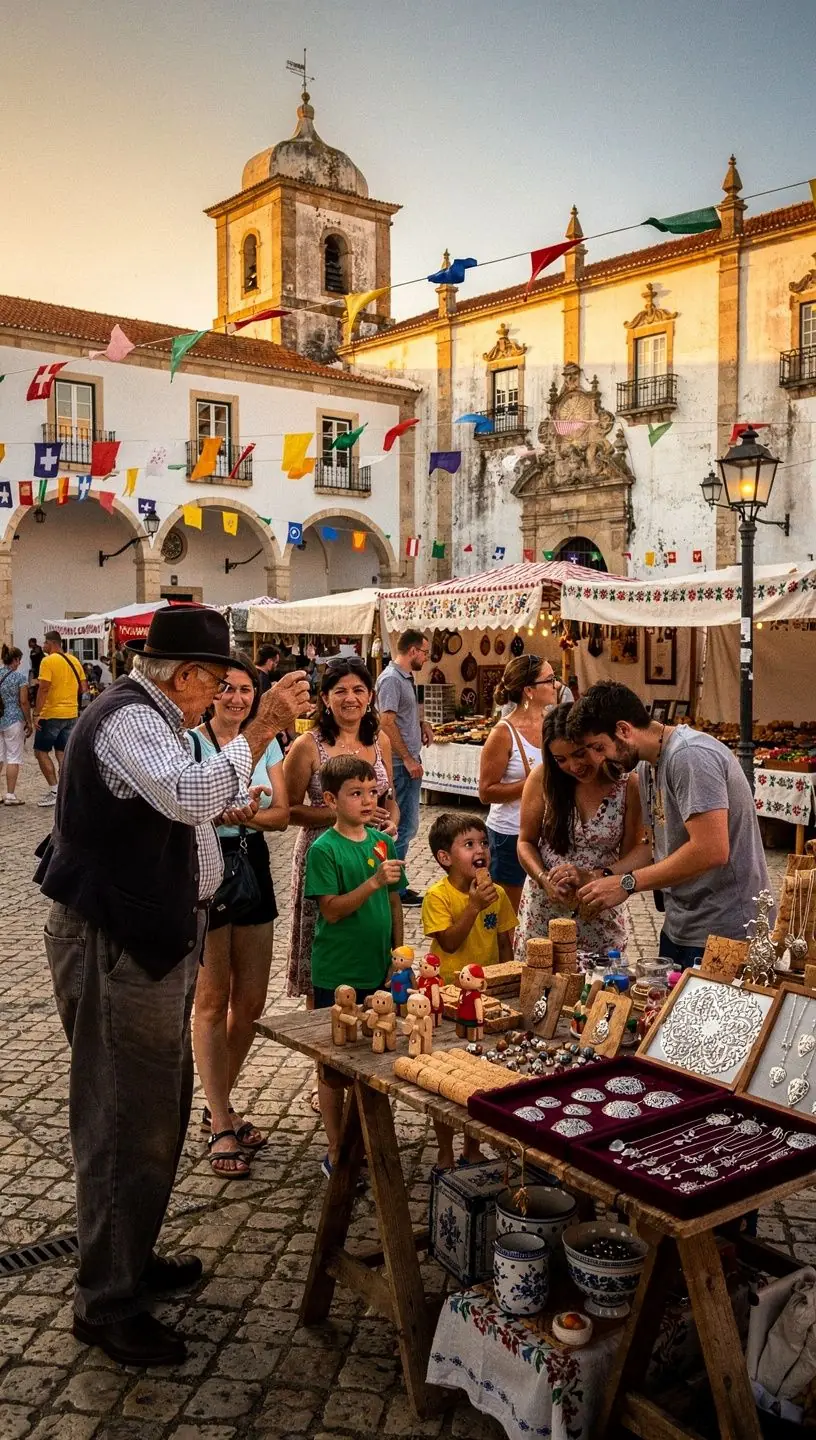
Tourism has become a significant factor in the development and success of local events, particularly in regions like Portugal where cultural and leisure activities thrive. Understanding this impact involves analyzing various elements that contribute to the relationship between tourism and local events.
How Tourism Influences Local Events
According to studies by the World Tourism Organization, there is a substantial correlation between tourism and local event attendance. This relationship can be attributed to several factors:
- Increased Visibility: Events that attract tourists often gain greater media coverage, which increases local visibility and encourages even more visitors.
- Economic Impact: Many local economies benefit significantly from tourism-driven events, as they often lead to increased sales for local businesses such as restaurants, hotels, and shops.
- Community Engagement: Tourism can foster greater community involvement in events, as locals often seek to showcase their culture and heritage to visitors.
"Local events often flourish in tourist-heavy areas, creating a symbiotic relationship that enhances cultural exchange," says Dr. Maria Silva, a tourism expert.
Challenges and Considerations
While tourism can enhance local events, there are notable challenges that communities may face:
- Overcrowding: Popular events may experience overcrowding, which can detract from the experience of both tourists and locals.
- Resource Allocation: Organizing events may require significant resources that local governments or organizations may struggle to provide.
- Environmental Concerns: Increased tourism can lead to environmental degradation, particularly if events are not managed sustainably.
Best Practices for Balancing Tourism and Local Events
To maximize the benefits of tourism while minimizing challenges, local organizers can consider the following best practices:
- Develop Sustainable Practices: Implement strategies that promote environmental sustainability during events, such as waste reduction initiatives.
- Engage the Community: Involve local residents in the planning process to ensure that events reflect community needs and values.
- Monitor Economic Impact: Regularly assess the economic effects of tourism on local events to identify areas for improvement and growth.
Conclusion
The interplay between tourism and local events in Portugal demonstrates a complex relationship that can yield both positive outcomes and challenges. By understanding these dynamics and adopting best practices, communities can create rich cultural experiences that benefit both tourists and locals, fostering a vibrant regional lifestyle.