Promoting Local History through Event-Based Learning
In today's fast-paced world, the significance of local history often gets overshadowed by global narratives. However, integrating local history into community events can foster a deeper appreciation of cultural heritage, while also providing engaging educational experiences. This article explores how event-based learning can effectively promote local history in Portugal.
Understanding the Role of Local History
Local history plays a crucial role in shaping community identity and fostering a sense of belonging. According to research conducted by the National Council on Public History, communities that actively engage with their local history report higher levels of civic participation and pride. This connection is important; through understanding where we come from, we can better navigate our present and future.
"Understanding local history can significantly enhance community engagement and pride." - National Council on Public History
Event-Based Learning: An Effective Approach
Event-based learning is an educational model that leverages real-world experiences to foster deeper understanding and retention of knowledge. This approach is particularly effective for local history because it often involves immersive, hands-on activities that resonate with participants. Experts recommend this method for various educational purposes since it can lead to improved engagement and retention rates.
Why It Works
Event-based learning works because it connects theoretical knowledge with practical experiences. When participants engage in historical reenactments, guided tours, or workshops, they do not just learn about history; they experience it. This experiential approach can lead to:
- Enhanced Engagement: Participants are more likely to remember information presented in a dynamic, interactive manner.
- Community Collaboration: Organizing events often requires local partnerships, which can strengthen community ties.
- Cultural Preservation: By highlighting local history, these events promote the preservation of cultural narratives and practices.
Practical Applications in Portugal
In Portugal, there are numerous ways to integrate local history into events. Here are a few practical suggestions:
- Historical Walking Tours: Organize guided tours that explore historical sites in your community, providing insights from local historians.
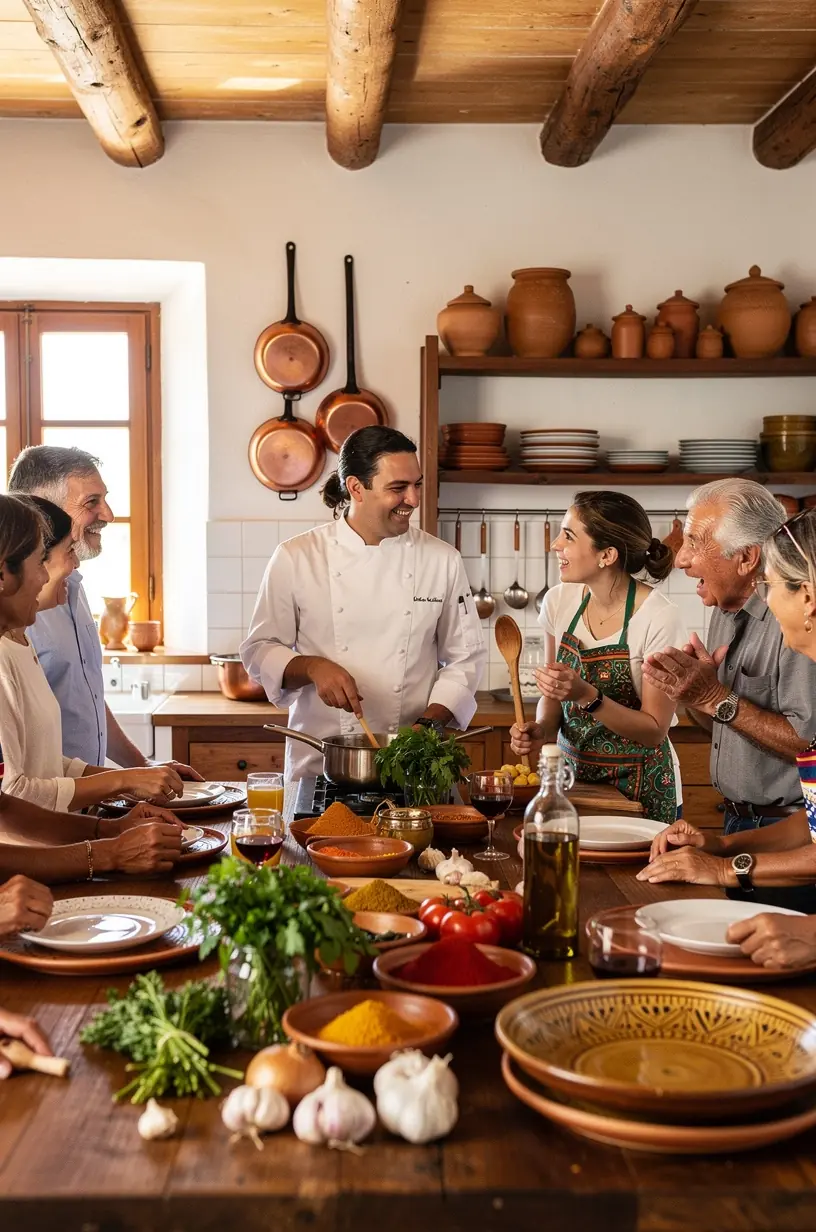
- Workshops on Traditional Crafts: Host workshops that teach traditional crafts or culinary practices, linking them to historical contexts and local stories.
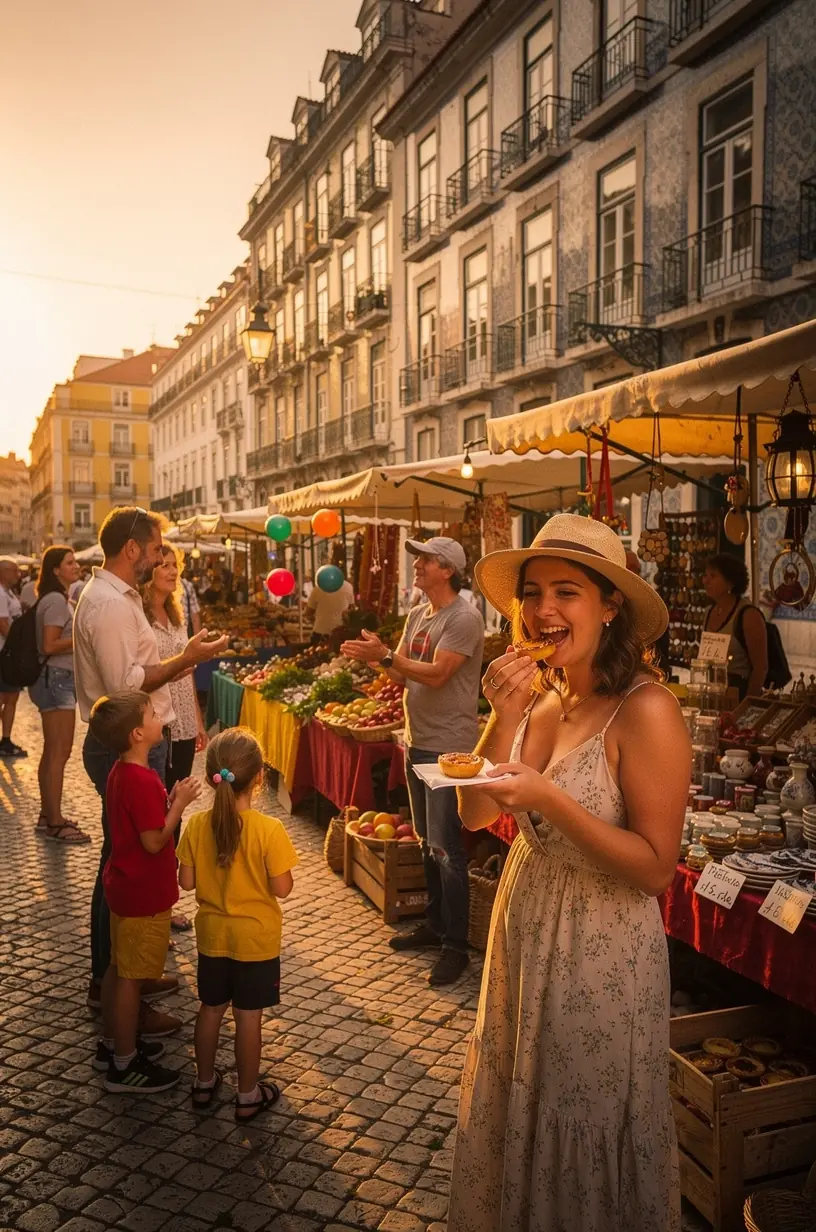
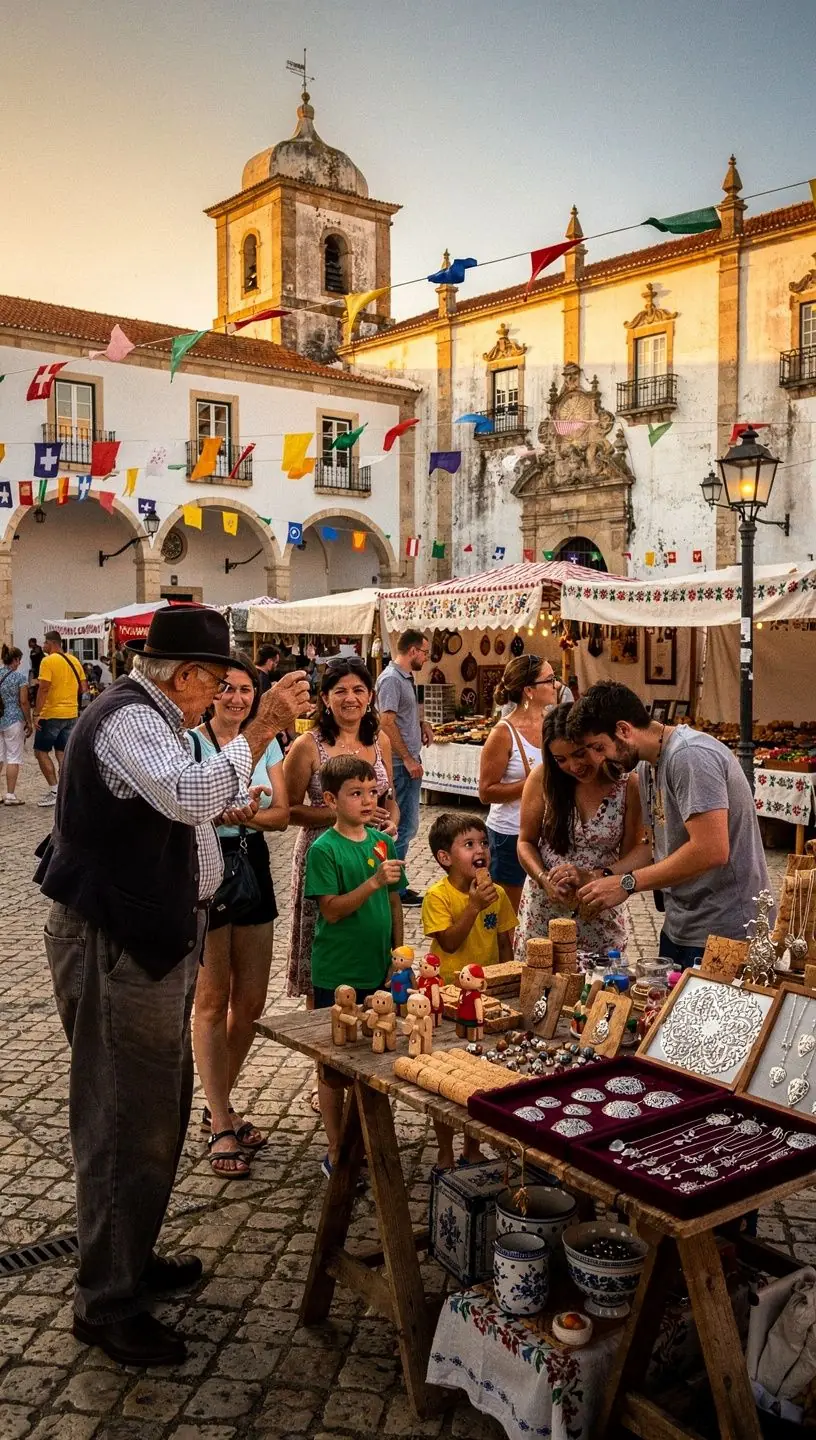
- Cultural Festivals: Develop festivals that celebrate local heritage, featuring performances, storytelling, and food that reflect the region's history.
Challenges to Consider
While event-based learning can be highly beneficial, it is essential to acknowledge some challenges:
- Resource Intensive: Organizing events typically requires financial and human resources, which may not always be available.
- Time Commitment: Planning and executing successful events can take several months, requiring dedication from organizers and participants alike.
- Need for Expertise: Engaging local historians and experts is crucial for ensuring accurate and meaningful content, which may involve navigating logistical challenges.
Conclusion
Integrating local history into community events through event-based learning offers a reliable method to enhance cultural appreciation and foster community spirit in Portugal. While challenges exist, the potential benefits—such as increased engagement, cultural preservation, and local pride—often outweigh the hurdles. By creating immersive experiences, communities can ensure that their histories are not only remembered but celebrated, drawing both locals and visitors into a shared narrative of heritage and identity.