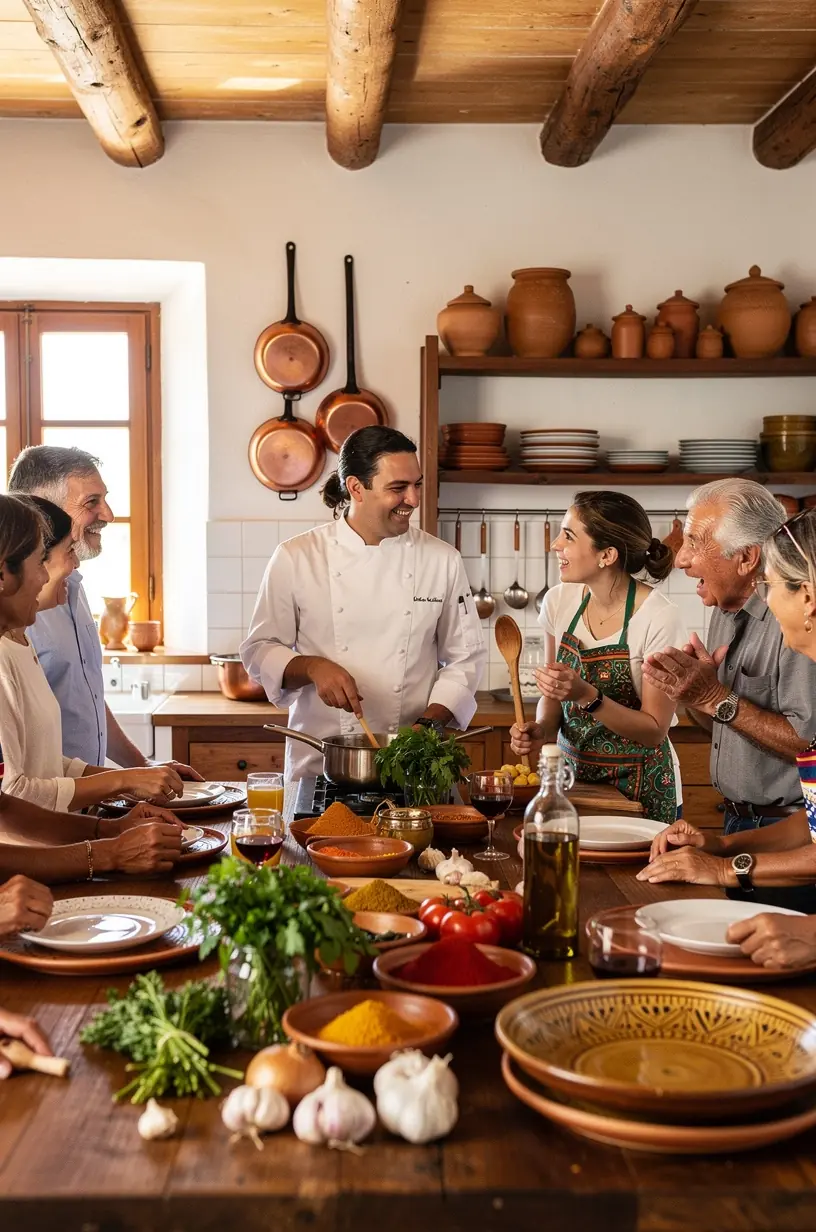
How to Foster Partnerships for Cultural Initiatives
In today's cultural landscape, fostering partnerships is essential for the success of cultural initiatives. By collaborating with various stakeholders, organizations can amplify their reach and effectiveness. This article explores practical strategies for building these vital relationships.
Understanding the Importance of Partnerships
Collaborative efforts in cultural initiatives can lead to greater community engagement and enhanced resource sharing. According to research, partnerships can increase the effectiveness of cultural programs by providing diverse perspectives and pooling resources. Many organizations have reported that working with others allows for a more impactful outreach, especially in culturally rich regions like Portugal.

"When organizations collaborate, they benefit from shared knowledge and resources, often leading to more innovative solutions." - Cultural Partnership Expert
Identifying Potential Partners
Finding the right partners is crucial for successful collaboration. Here are some steps to identify potential partners:
- Research local organizations: Look for cultural institutions, non-profits, or businesses aligned with your mission.
- Attend networking events: Engage in community events to meet potential partners and understand their objectives.
- Leverage social media: Utilize platforms like LinkedIn to connect with other professionals in the cultural sector.
Building Meaningful Relationships
Once potential partners have been identified, the next step is to build relationships based on trust and mutual benefit. Here are some effective strategies:
- Establish clear communication: Open dialogue helps to outline goals and expectations. This typically requires regular check-ins and updates.
- Collaborate on small projects: Start with manageable initiatives to assess compatibility and effectiveness of the partnership.
- Share successes and challenges: Transparency fosters a strong bond and encourages adaptive problem-solving.
Acknowledge Challenges
Partnerships can present challenges, such as differing priorities or resource constraints. It is important to address these issues proactively. Research indicates that partnerships often require ongoing effort and dedication to navigate potential conflicts. In many cases, patience and adaptability can lead to fruitful collaborations.
Conclusion
Fostering partnerships for cultural initiatives is a rewarding yet complex process. By understanding the importance of collaboration, identifying potential partners, and building meaningful relationships, organizations can enhance their impact in the community. Remember, while partnerships may take time to develop and require commitment, the benefits often outweigh the challenges, leading to vibrant cultural experiences for all involved.