Engaging Youth through Regional Cultural Programs
Cultural programs play a vital role in shaping the experiences of youth in Portugal. By leveraging regional strengths and promoting local events, these initiatives can foster community engagement while enhancing cultural appreciation among young people.
Understanding the Importance of Cultural Engagement
Experts recommend that engaging youth in cultural programs can significantly impact their social and emotional development. According to a study published by the National Endowment for the Arts, participation in cultural activities often correlates with improved academic performance and mental well-being. This is because cultural experiences can offer creative outlets and help build a sense of identity.

"Youth engagement in cultural programs is not just about participation; it’s about cultivating a deeper understanding of their heritage and identity."
How Regional Cultural Programs Work
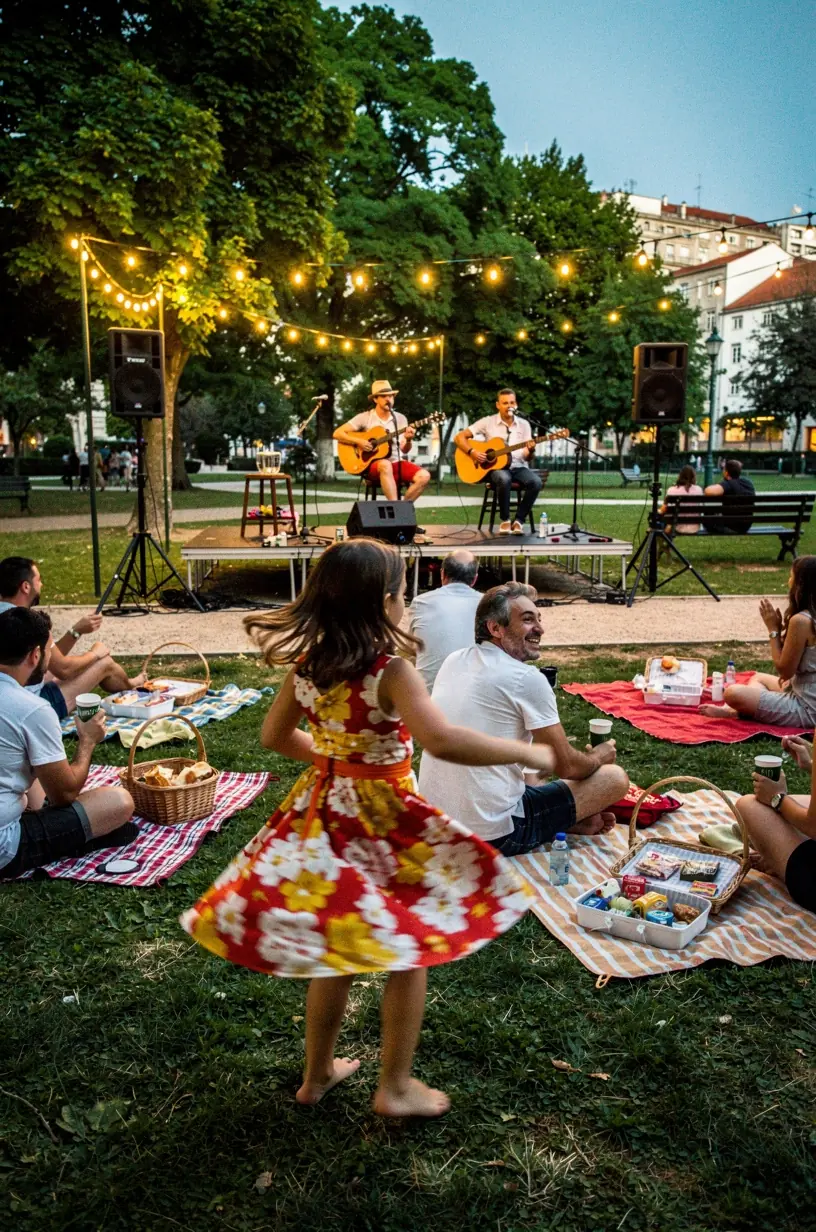
Regional cultural programs typically involve community-led initiatives that promote local events, arts, and heritage. They may include music festivals, art exhibitions, and community workshops. The effectiveness of these programs is attributed to their localized approach, which often resonates more with participants compared to broader national programs.
Many users report that these activities help them connect more deeply with their community and peers, creating a supportive environment for exploration and learning. The principle behind this is that when youth see familiar faces and environments, they are more likely to participate actively.
Practical Steps to Engage Youth
- Create Accessible Opportunities: Ensure that programs are accessible to all youth, regardless of background. This can involve partnerships with schools and local organizations.
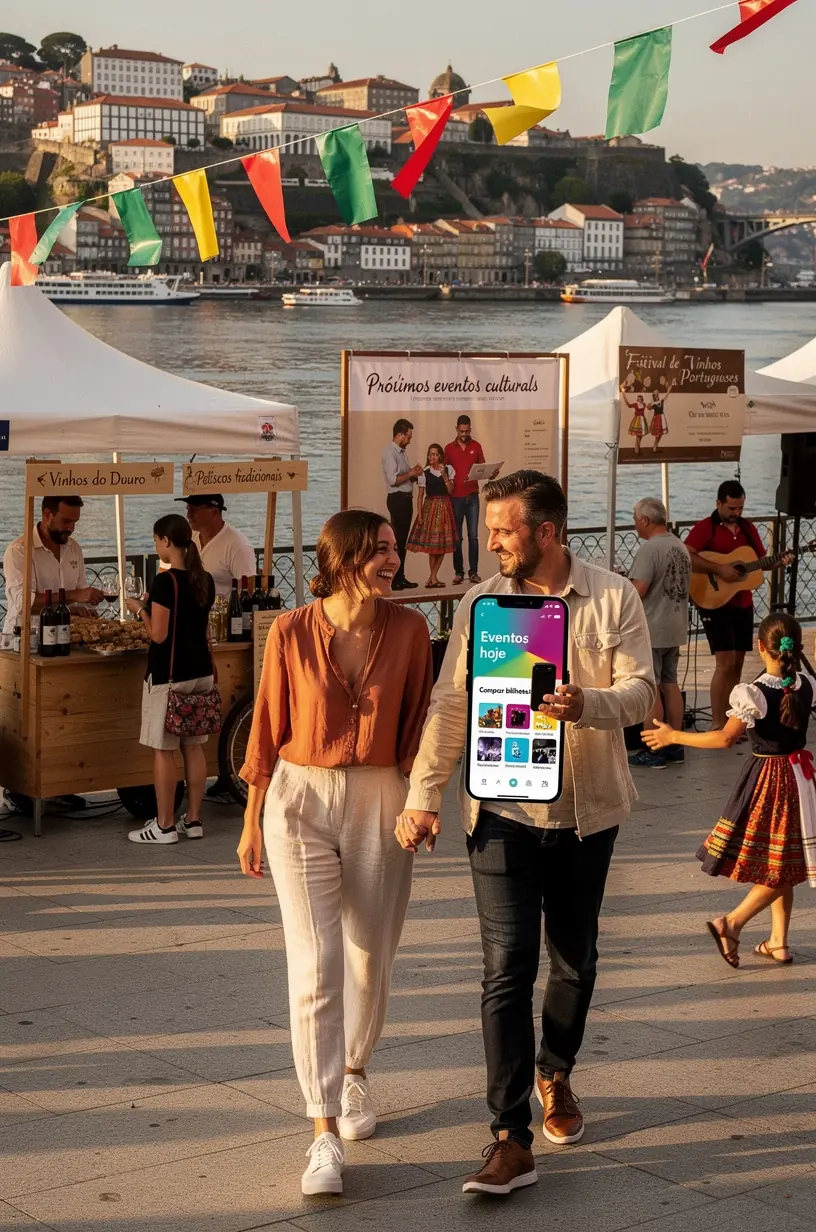
- Incorporate Technology: Many young people are tech-savvy. Utilizing social media and digital platforms to promote events can significantly boost participation.
- Gather Feedback: Engaging youth also means listening to their needs. Regular surveys can help organizers understand what types of programs are most appealing.
Acknowledging Challenges
While regional cultural programs can be beneficial, they often require substantial planning and community involvement. Typically, organizing such events may take several months of preparation, and success depends on local interest and participation. Additionally, there can be financial constraints that limit the scope of these activities. Thus, sustainable funding models are often recommended to ensure continuity.
Conclusion
Engaging youth through regional cultural programs is not only a valuable method for fostering community ties but also a way to enrich the cultural landscape of Portugal. By prioritizing accessibility, leveraging technology, and actively seeking feedback, organizers can create impactful experiences that resonate with young participants. Ultimately, while these initiatives require effort and commitment, the potential rewards in terms of community cohesion and youth development are significant.