The Importance of Accessibility in Cultural Activities
Accessibility in cultural activities is not just a legal requirement; it's a vital aspect of promoting inclusivity and enhancing community engagement. As regional lifestyle platforms in Portugal, it is essential to ensure that events, exhibitions, and leisure activities are open to everyone, regardless of their physical or cognitive abilities.
Understanding Accessibility in Culture
Accessibility typically refers to the design of products, devices, services, or environments for people with disabilities. In the context of cultural activities, this means creating experiences that everyone can enjoy. According to research from the World Health Organization, approximately 15% of the global population lives with some form of disability. Hence, it becomes crucial for cultural institutions to consider these individuals when planning events.
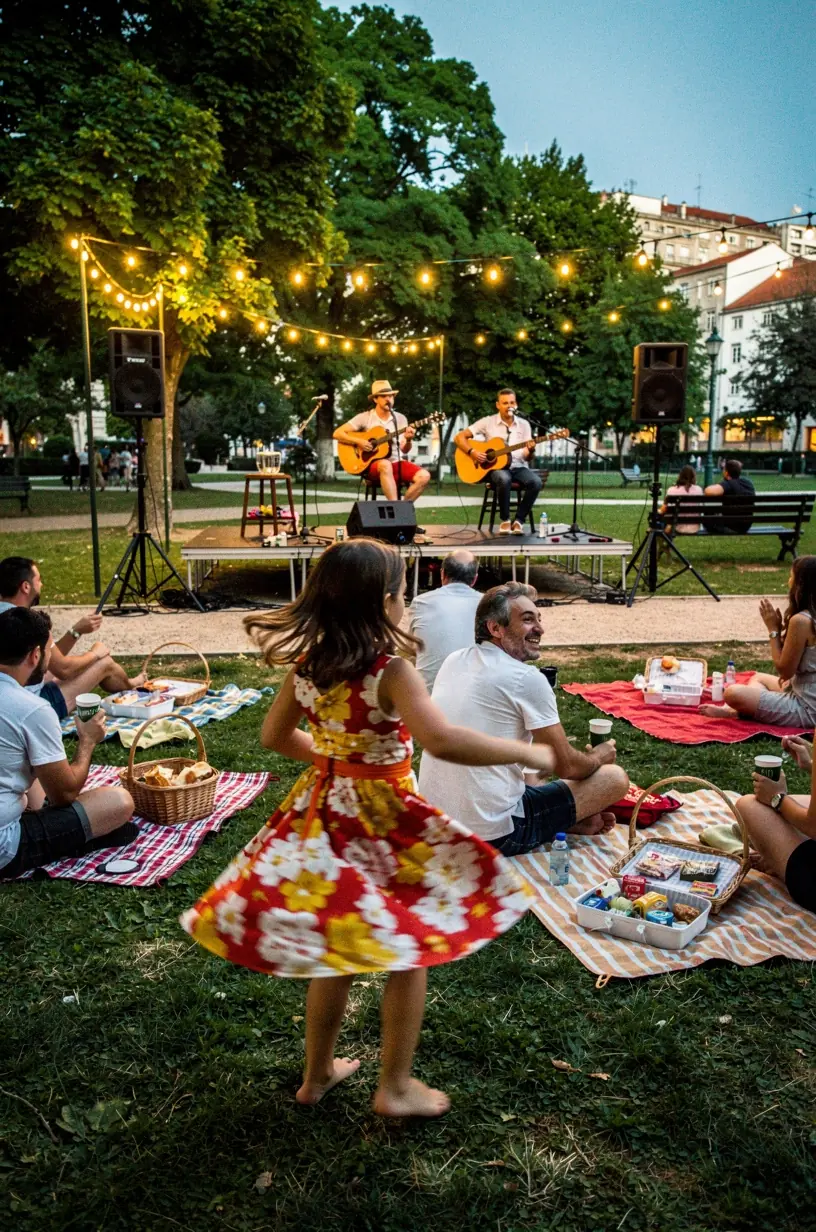
"Creating accessible environments helps foster inclusivity and community spirit," according to experts in cultural studies.
Why Accessibility Matters
- Enhanced Participation: Studies show that when cultural activities are accessible, participation often increases. This can lead to a more vibrant community atmosphere.
- Broader Audience Reach: By making events accessible, cultural organizations can attract a wider audience. This is particularly relevant in Portugal, where diversity is celebrated.
- Legal Compliance: Many countries, including Portugal, have regulations that mandate accessibility in public spaces. Failing to comply can result in legal issues and reputational damage.
Implementing Accessibility Features
To effectively incorporate accessibility into cultural activities, several best practices can be adopted:
- Conduct Accessibility Audits: Regular audits can help identify barriers to access. This involves evaluating physical locations, digital content, and communication methods.
- Training Staff: Staff should be trained on how to assist individuals with diverse needs. This ensures that all attendees feel welcome and supported during events.
- Engage with the Community: Actively seeking feedback from individuals with disabilities can provide valuable insights into their needs. Many organizations benefit from collaborating with local advocacy groups.
Challenges and Limitations
While enhancing accessibility is essential, it is important to acknowledge the limitations involved. Implementing comprehensive accessibility features can typically take several months and may require significant financial investment. It’s also crucial to understand that achieving full accessibility is a process that requires ongoing effort and dedication.
Conclusion
In conclusion, prioritizing accessibility in cultural activities is not merely a matter of compliance; it is a commitment to fostering a welcoming and inclusive community. By understanding the importance of accessibility and implementing best practices, cultural platforms in Portugal can significantly enrich the experiences of all individuals, ultimately leading to a more connected and engaged society.
Learn More