The Role of Cultural Events in Regional Identity
Cultural events play a vital role in shaping regional identity, especially in vibrant and diverse locations like Portugal. They are more than mere entertainment; they serve to strengthen community bonds, preserve heritage, and stimulate local economies.
Understanding the Basics
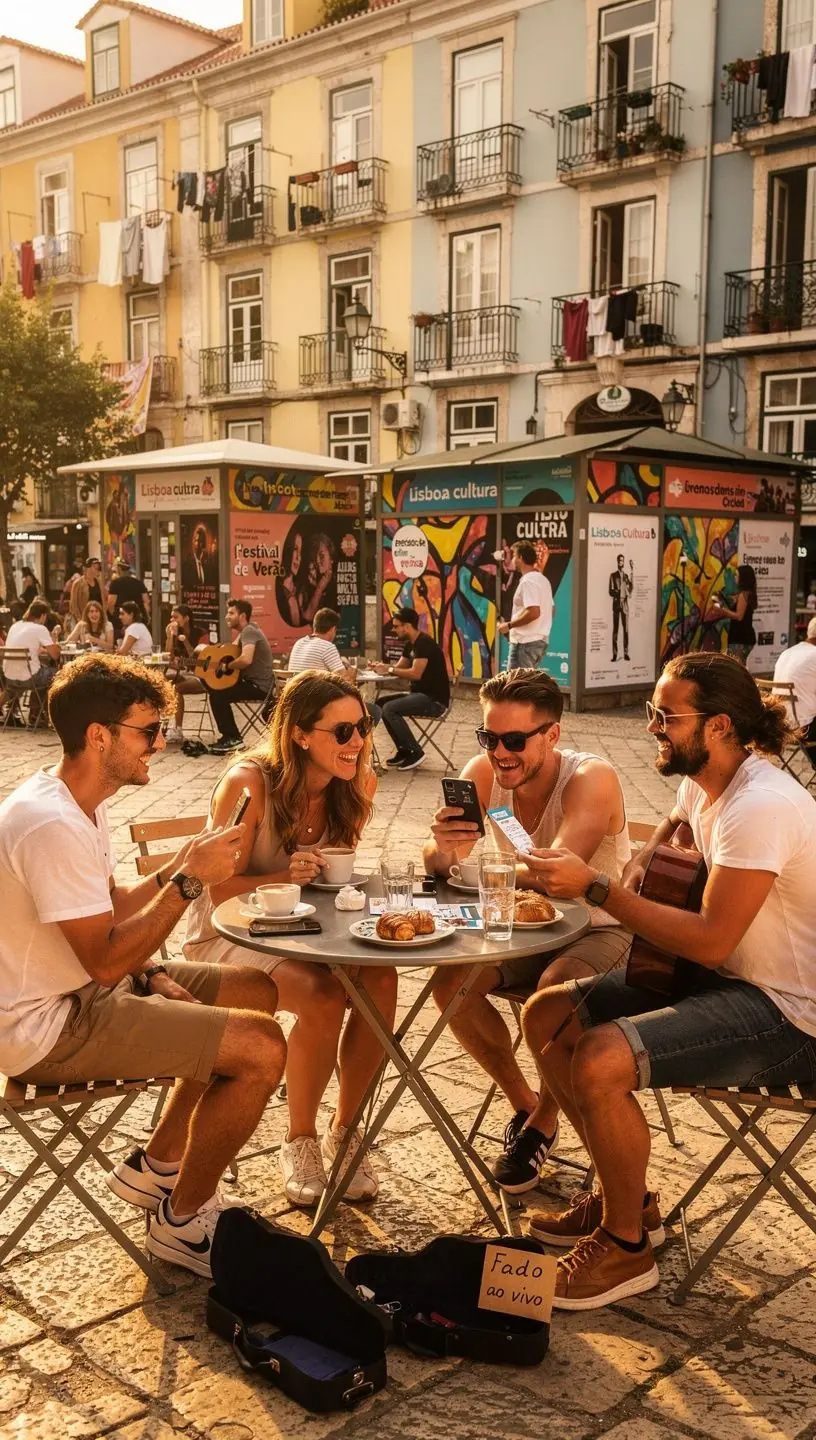
Cultural events encompass a variety of activities, including festivals, art exhibitions, and performances. According to research by the European Commission, engaging in cultural activities can enhance social cohesion and a sense of belonging within communities. This works because such events foster interactions among residents and visitors, leading to shared experiences that reinforce local identity.
"Cultural participation is crucial for fostering social cohesion and a sense of belonging." - European Commission
Community Engagement and Identity Formation
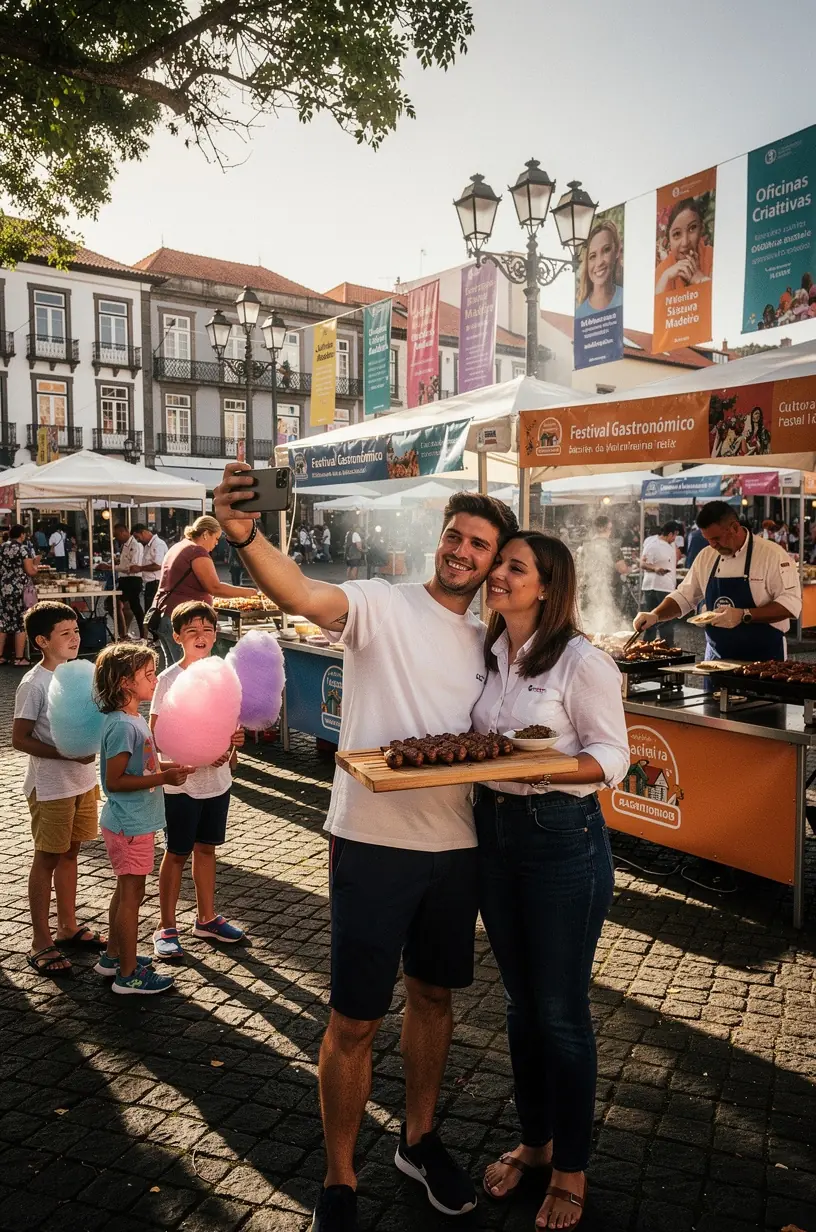
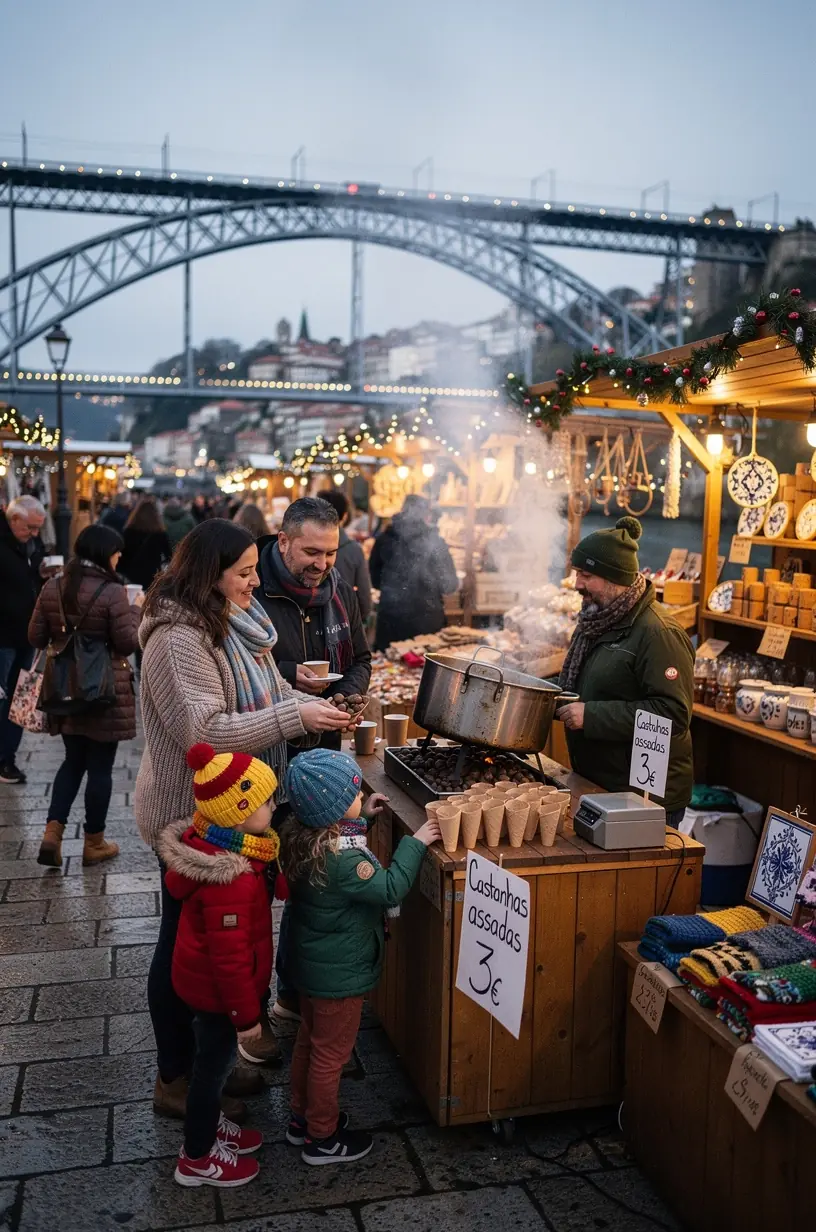
Cultural events often reflect the unique characteristics of a region. They can highlight local traditions, culinary practices, and artistic expressions. For instance, Portugal's famous Festivals of São João in Porto celebrate local heritage and attract tourists, thereby enhancing the region's identity and visibility. Studies show that such events typically attract millions of participants, contributing significantly to local economies.
Benefits of Cultural Events
- Strengthening Community Bonds: Many users report a heightened sense of community and shared purpose following participation in local events.
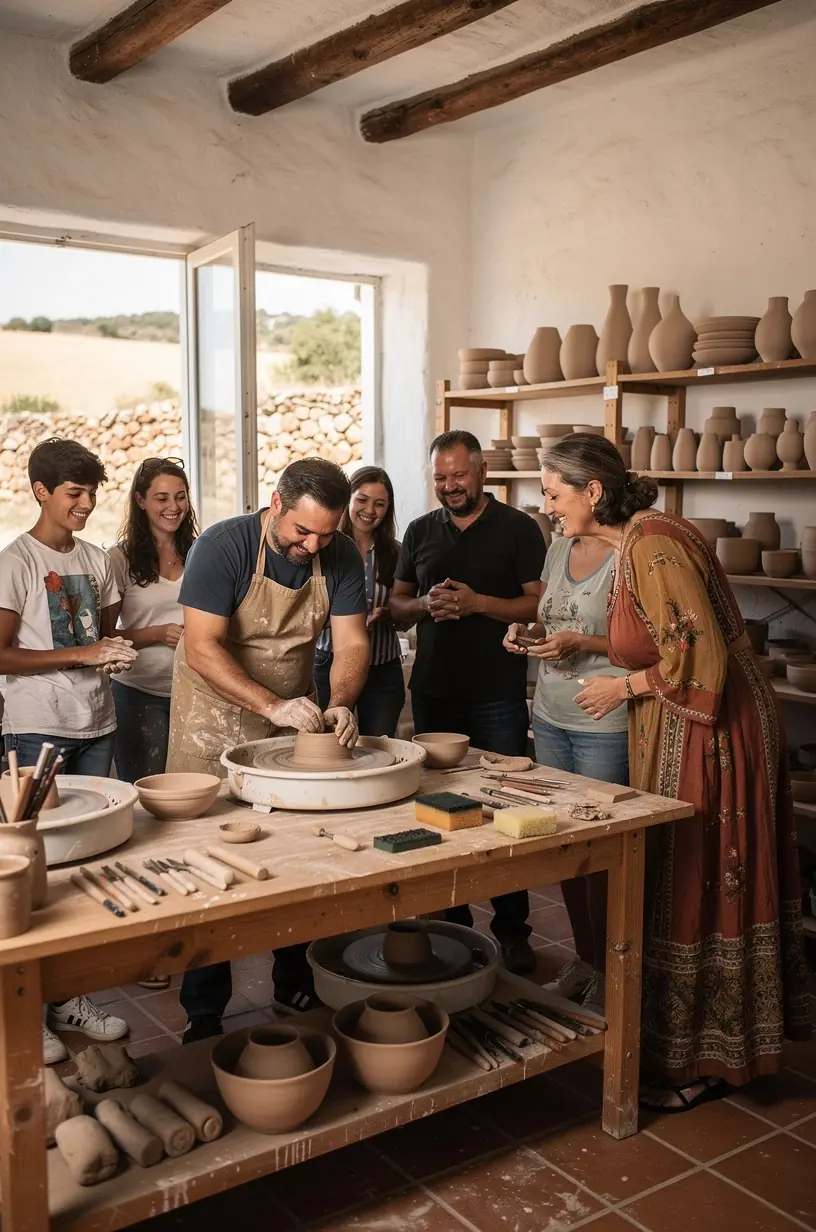
- Preserving Local Heritage: Cultural events often serve as platforms for showcasing traditional arts and crafts, which may otherwise fade away.
- Economic Benefits: Cultural tourism, driven by these events, can create job opportunities and stimulate local businesses.
Challenges and Areas for Improvement
While cultural events offer numerous benefits, there are challenges involved. Organizing events can be resource-intensive and require considerable planning. It often takes several months to prepare adequately, and community involvement is essential for success. Furthermore, some events may not resonate with all demographic groups, which can limit their inclusivity.
Strategies for Success
- Involve the Community: Engaging local residents in the planning process can ensure that events reflect diverse perspectives and interests.
- Utilize Digital Platforms: Promoting events through social media can increase visibility and participation, particularly among younger audiences.
- Evaluate and Adapt: Gathering feedback after events can help organizers improve future initiatives and ensure they cater to community needs.
Conclusion
In summary, cultural events are integral to the identity of regions like Portugal. They not only celebrate local culture but also foster economic growth and community engagement. However, it is important to recognize the challenges involved in organizing these events and to adopt effective strategies that ensure inclusivity and sustainability. By doing so, communities can continue to thrive and evolve, reinforcing their unique identities for generations to come.