A Practical Guide to Organizing Community Festivals
Community festivals can be a wonderful way to bring people together, celebrate local culture, and stimulate the local economy. This guide provides actionable insights to help you effectively plan and execute a successful festival.
Understanding the Basics
Organizing a community festival involves careful planning and collaboration. According to industry experts, the process typically consists of several key stages, including idea conception, logistics planning, marketing, and execution. By understanding these components, you can create an event that resonates with your community.
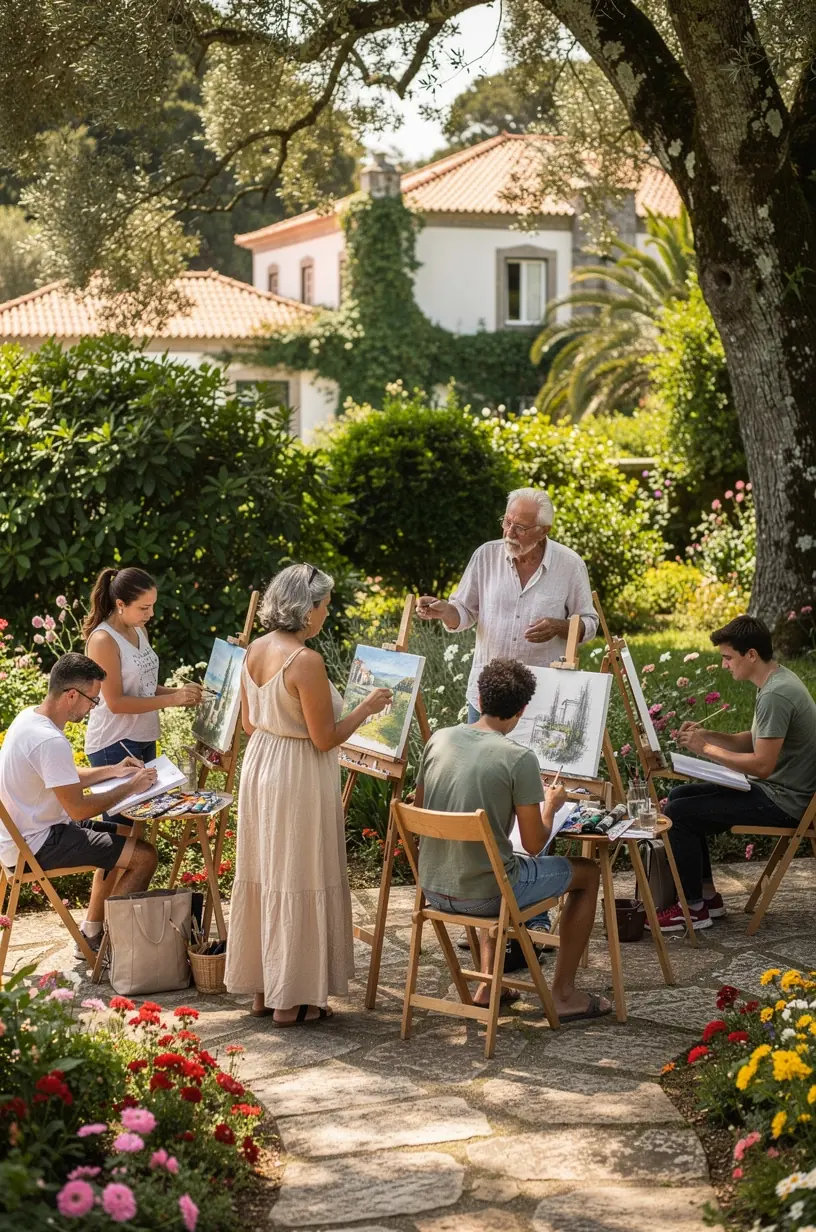
"Community festivals not only foster a sense of belonging but also boost local businesses and tourism, according to various studies."
Key Steps in Organizing a Festival
Here are some practical steps to consider when planning your festival:
- Define Your Objectives: Start by identifying the purpose of the festival. Is it to celebrate a cultural heritage, raise funds for a local charity, or promote local businesses? Knowing your objectives helps guide the planning process.
- Establish a Budget: Create a realistic budget that factors in costs such as venue rental, permits, insurance, marketing, and entertainment. Many organizers find that a detailed budget spreadsheet can help track expenses and ensure financial accountability.
- Gather a Team: Organizing a festival typically requires a team of dedicated volunteers or staff. Roles may include logistics, marketing, and community outreach. Having a clear structure can improve efficiency and accountability.
- Choose a Suitable Location: The venue plays a crucial role in the festival's success. Ideally, it should be accessible and large enough to accommodate expected attendees. According to research, festivals held in pedestrian-friendly areas tend to draw larger crowds.
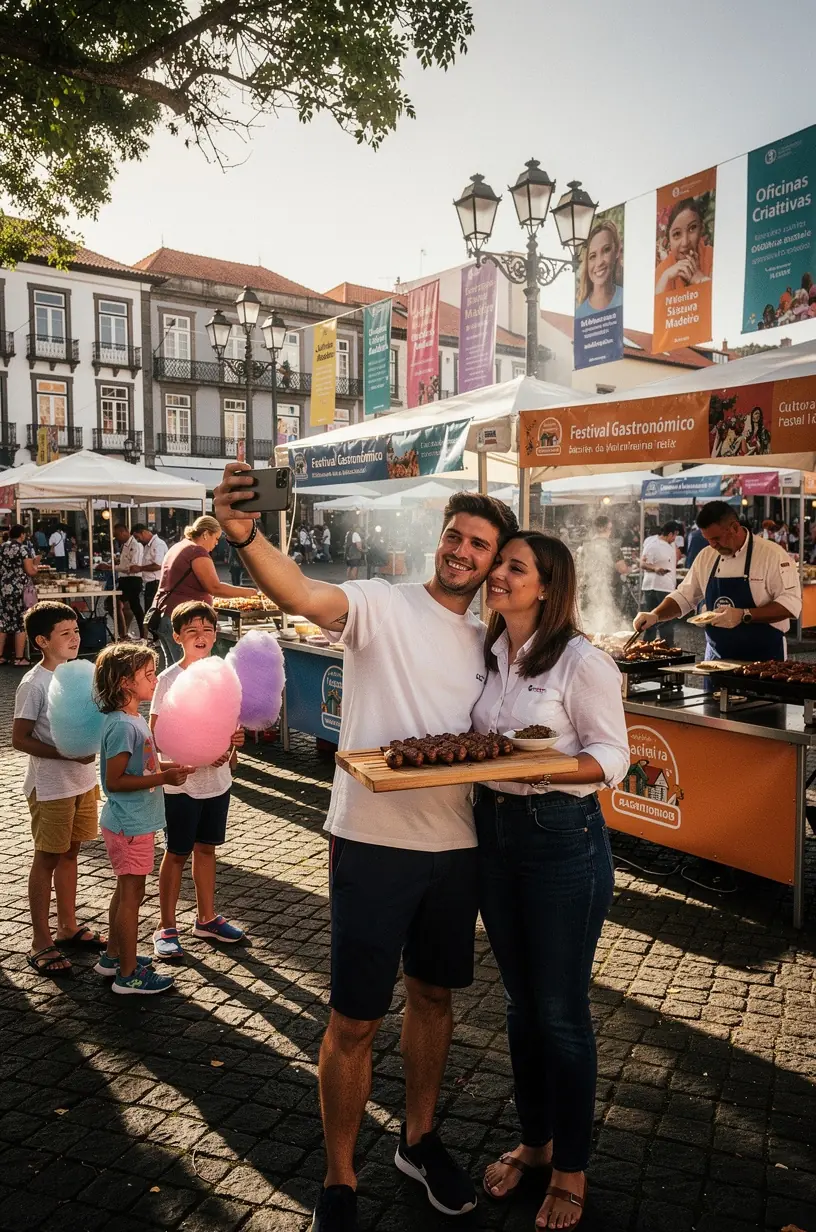
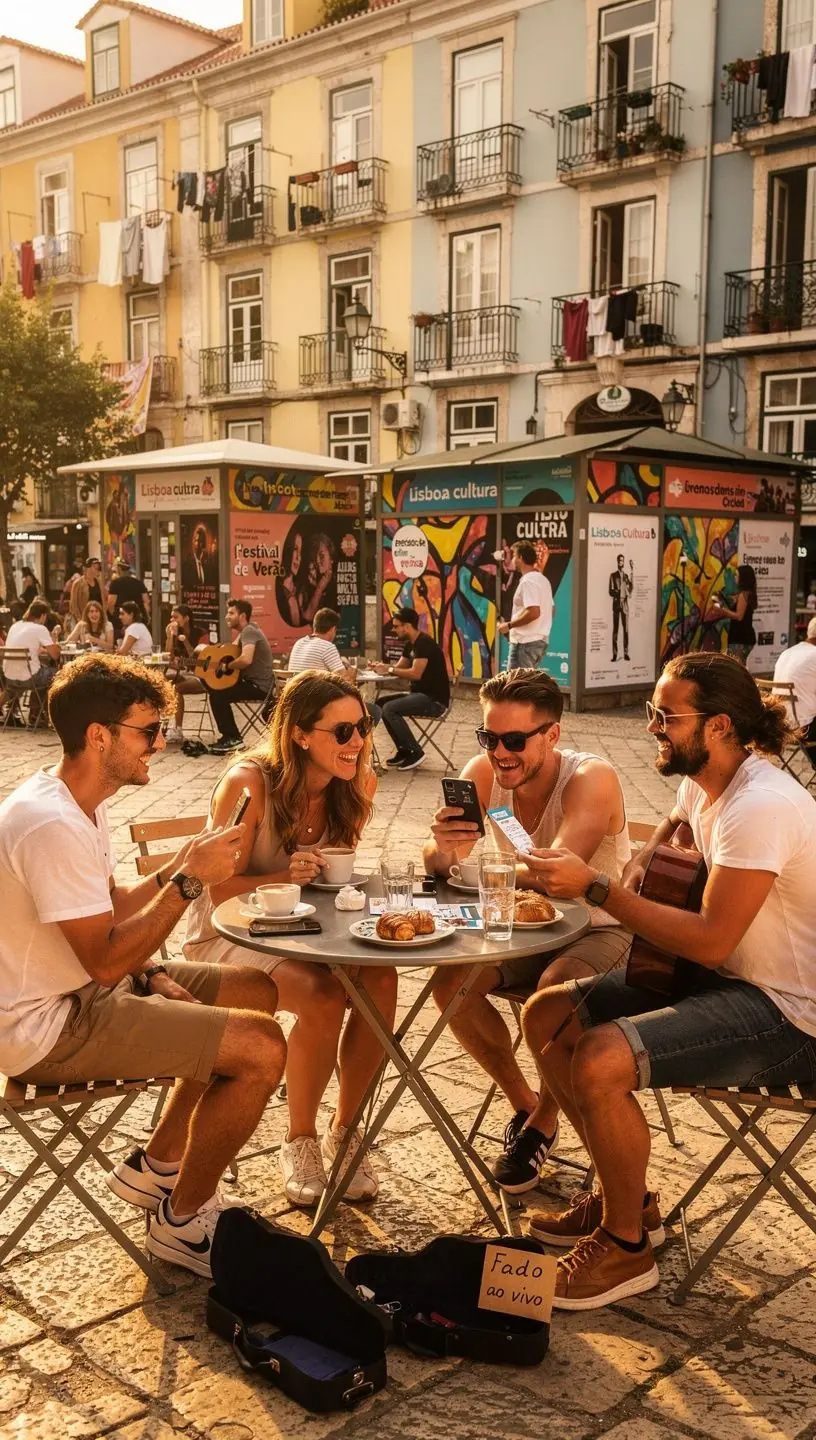
- Plan Activities and Entertainment: Incorporating a variety of activities can cater to different interests. This may include live music, food stalls, craft booths, and games. Studies indicate that diverse programming can enhance attendee satisfaction and encourage longer visits.
- Market the Event: Use social media, local press, and community bulletins to spread the word about your festival. Effective communication is essential to ensure good attendance. Research shows that engaging storytelling can improve community interest and participation.
Potential Challenges and Solutions
While organizing a festival can be rewarding, it also presents challenges. Here are some common issues and strategies to address them:
- Weather Conditions: Outdoor events are often subject to unpredictable weather. Consider planning for contingencies, such as having backup indoor venues or providing weather-related information to attendees.
- Community Engagement: Ensuring that the festival reflects the interests of the community can be challenging. Conducting surveys or holding pre-festival meetings can help gauge community interest and involvement.
- Logistical Hurdles: From securing permits to coordinating vendors, logistics can be complex. Utilizing project management tools and maintaining open lines of communication among your team can improve organization and adaptability.
Conclusion
In summary, organizing a community festival is a multifaceted endeavor that requires thoughtful planning and collaboration. By taking into account the objectives, budgetary needs, and community input, you can create an event that not only entertains but also strengthens community ties. Remember, the most successful festivals are those that engage and celebrate the unique culture of the community they serve.
Learn More